
Hanging Heavy Items Without Drilling
There is a ceiling on what adhesive can do on a painted wall, and no product gets past it. Once an item weighs more than a few kilograms, looking for stronger tape is the wrong search.
The better question is where the weight can go instead. Every heavy thing in a room is supported by something, and a painted wall surface is only one of the available options, and the weakest one.
Why stronger adhesive stops working
Adhesive transfers load into the paint film. Paint is a thin layer with its own limited grip on the plaster or concrete beneath it. Increase the holding power of the tape far enough and you do not get a stronger mount, you get paint peeling off the wall.
Industrial double-sided foam tape shows the ceiling clearly. One renter-focused guide notes that high-quality anchors using industrial VHB tape can hold up to around 22 kg of force when applied correctly to a clean flat surface, while still recommending they be used as a secondary measure rather than the sole support for anything heavy or top-heavy.
Note the conditions attached to that figure: correctly applied, clean, flat. On textured or chalky paint none of it applies, and the grip of the paint on the wall remains the real limit regardless.
The load paths available in an ordinary room
Instead of asking the wall surface to carry something, hand the job to a structure that is already carrying load.
The floor. The strongest support in any building, and free. Leaning shelves, freestanding racks and A-frame units put everything through the floor and use the wall only for balance. Freestanding units in this style typically carry roughly 7 to 9 kg per shelf, and taller units 13 to 18 kg per shelf, according to a roundup of no-drill shelving options.
A door. Over-door hooks and organisers hang on the door's top edge, transferring load into the door and its hinges, which are screwed into a frame. No wall contact at all.
Floor to ceiling compression. Tension poles and rods brace between two fixed surfaces and hold by friction. Common in bathrooms as corner caddies and in windows and alcoves as rod systems.
Existing fixtures. Curtain rods, railings, grilles, window bars and pipe runs are already anchored into structure. S-hooks turn any of them into a hanging point instantly, and this is the most underused option in most Indian homes, where window grilles are near universal.
Furniture. Desks, shelves, cupboards and table edges are solid, already load-bearing, and not your landlord's paint. Hooks that attach beneath a surface, such as under table hooks rated to 1.5 kg each, move the whole problem off the wall.
Tile, glass and metal rather than paint. If part of the wall is tiled, that section will hold roughly twice what painted plaster will, because the adhesive is bonding to a hard glazed surface rather than a paint film.
The Indian wall problem nobody accounts for
Most advice on this subject is written for houses built with timber studs and plasterboard, where a small anchor pushed through the board grips behind it and leaves a pinhole.
That hardware does not work in a solid brick, concrete or RCC wall, which is what most Indian homes are built from. There is nothing hollow behind the surface to grip.
It also changes why people avoid drilling here. In a rental with plasterboard, the reason is the deposit. In an Indian flat the reason is usually that a hole in concrete needs a hammer drill and a masonry plug, which is a borrowed tool and an afternoon rather than a five minute job.
That distinction matters, because it means the fallback options differ:
- Picture hooks with small pins that work in plasterboard will not go into concrete.
- Push-in drywall anchors are irrelevant on a solid wall.
- Solid walls do hold extremely well once drilled, so a single correctly plugged screw in concrete is stronger than almost any drywall fixing.
- Tiles are the specific case where drilling risks real damage, and where adhesive genuinely is the better answer rather than the compromise.
Work out what heavy actually means
People overestimate weights, then blame the hook. Rough figures for common items:
- A bunch of keys: around 100 to 200 g.
- A towel, dry: roughly 300 to 500 g. Wet, two to three times that.
- A handbag with contents: 1 to 3 kg.
- A school backpack loaded with books: 4 to 8 kg.
- A framed picture, medium size: 1 to 4 kg depending on glass.
- A bicycle: 10 to 15 kg, and never an adhesive job.
Against that, adhesive hooks on painted walls are typically rated around 1.5 kg each, and on tile around 3 kg. A screw-mounted hook at 5 kg and a heavy duty U shaped hook rated to 15 kg are in a different category entirely.
The dividing line falls at roughly 3 kg, and it is a sharper line than most people expect. Towels, keys, light bags and utensils sit below it. Backpacks, coats in winter, and anything with a bicycle in the name sit above it.
Two rules that prevent most failures
Spread the load. Two hooks each carrying half the weight is not the same as one hook carrying all of it, because adhesive failure is progressive. A rail or a shelf supported at several points is safer than a single point holding the same total.
Account for dynamic load. A bag being tugged off a hook applies far more force for an instant than its resting weight. Anything that gets pulled at rather than gently lifted needs a large margin.
Removing heavy-duty tape without taking the wall with it
If you already have industrial foam tape on a wall, how you take it off decides whether there is damage.
Never pull the pad straight off. The recommended method is to warm the adhesive with a hair dryer to soften it, then slowly cut through the foam backing with a length of dental floss or fishing line worked behind the pad. Any residue left on the wall afterwards comes off with isopropyl alcohol rather than force.
When to accept the drill
Some loads simply require it, and stretching adhesive to cover them is how things end up on the floor. Anything above about 3 kg, anything at head height that would injure someone if it fell, anything holding a shelf people will lean on, and anything you want to forget about for years rather than check monthly.
On a solid Indian wall the result is worth it: properly plugged, a screw fixing is effectively permanent, and one filled hole is a far smaller repair than a peeled patch of paint.
The brackets, pictured
They divide by what they hold and how they attach.
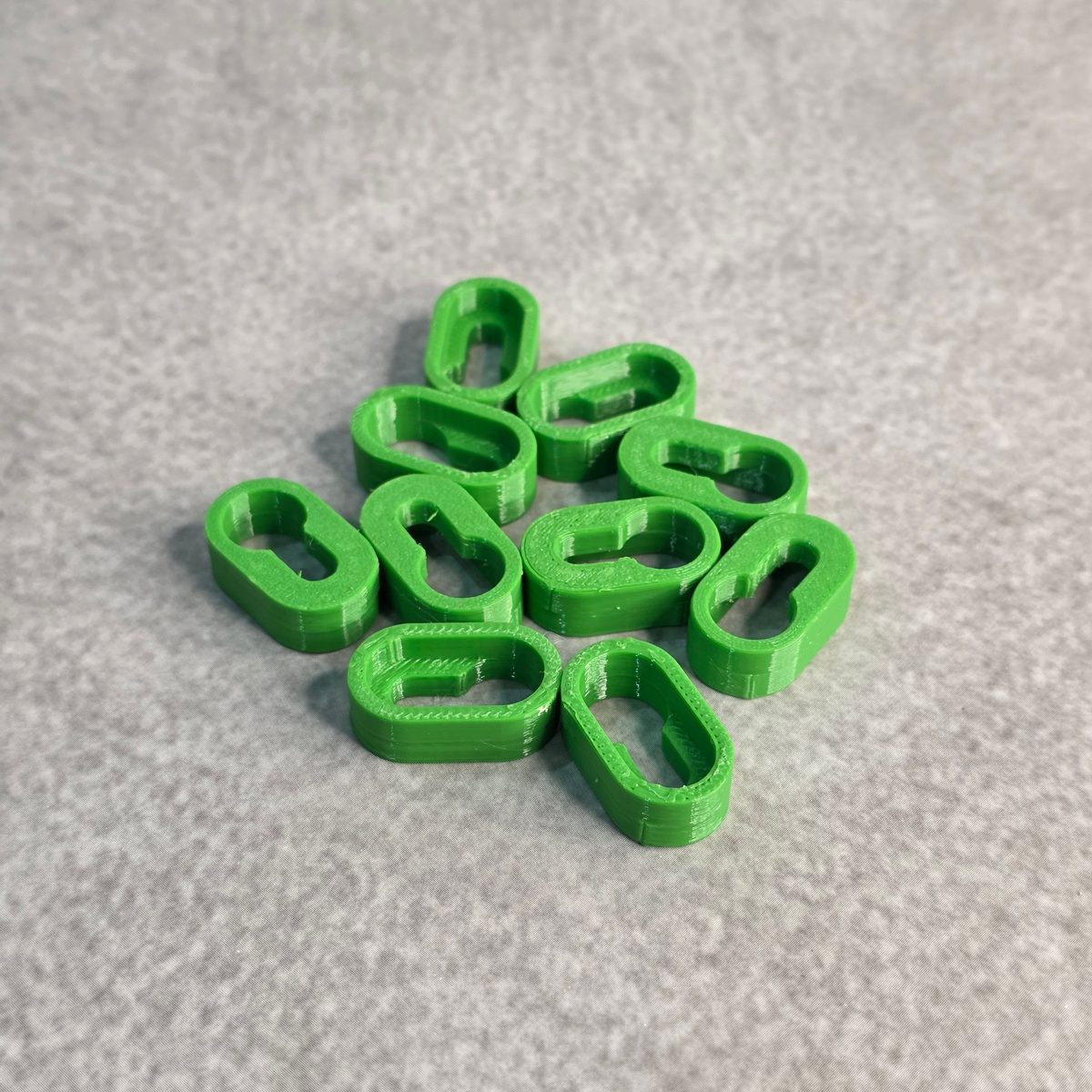
Stick-on mounting bracket. Pack of ten, adhesive, for mounting an object flat to a wall.
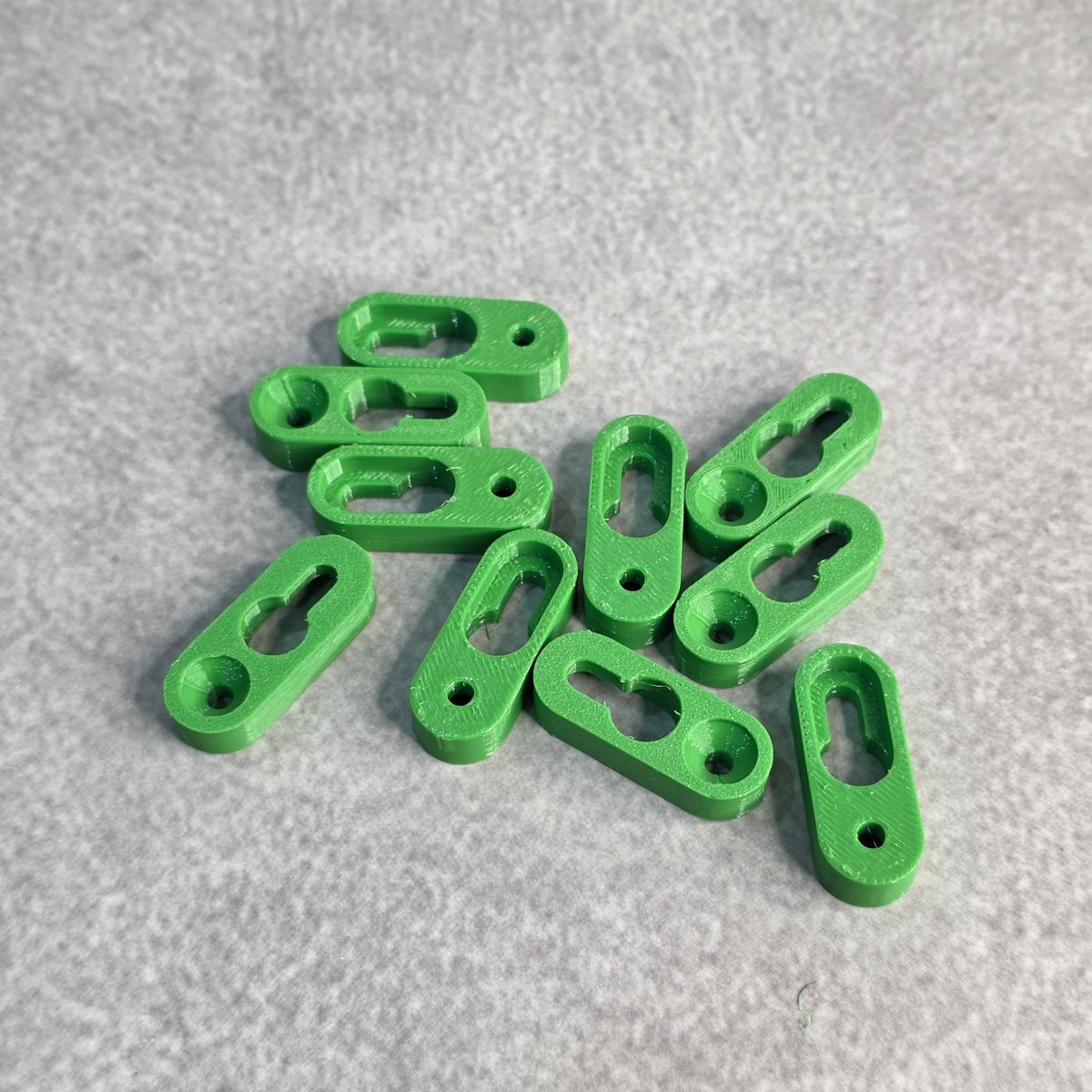
Screw-on mounting bracket. Pack of ten, the version for anything with weight.
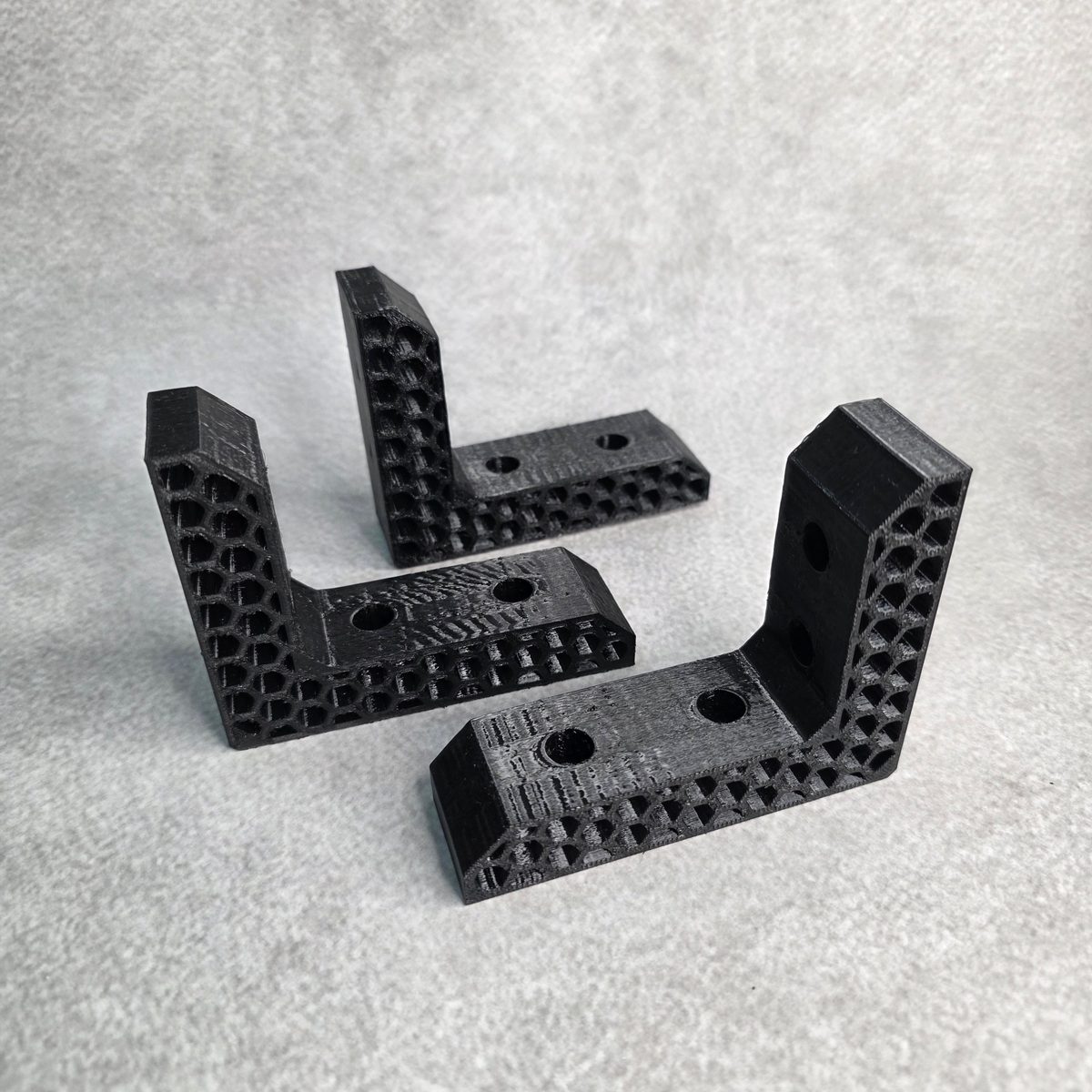
Honeycomb L shaped bracket. 80 x 100 mm, supports a shelf, table top or panel from below.
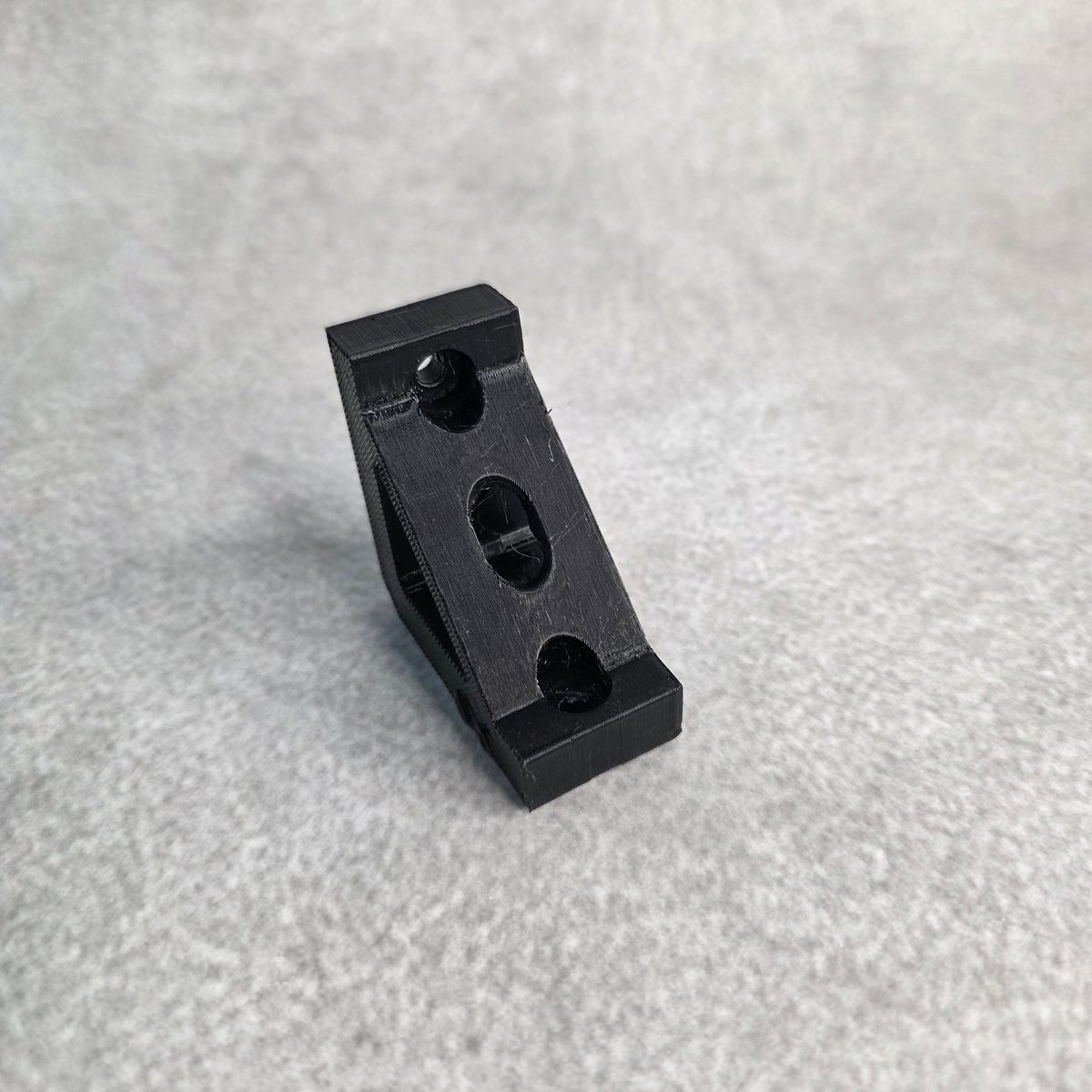
1 inch channel corner bracket. 50 x 50 mm, joins slim sections at right angles.
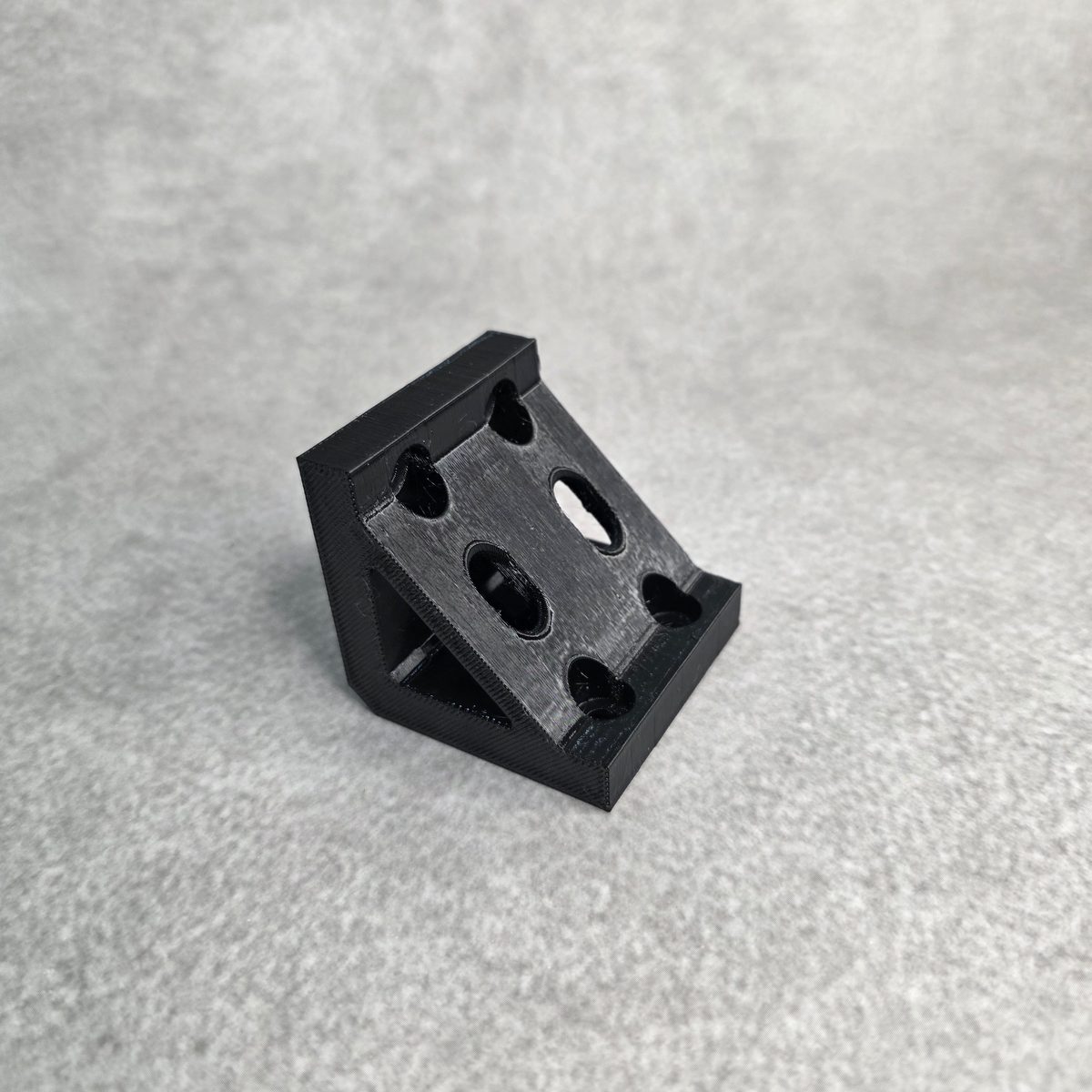
2 inch channel corner bracket. The heavier version, for section frames.
Where a hook is not the right answer at all, the stick-on mounting brackets and screw-on mounting brackets mount an object flat against the wall instead of hanging it off a prong.
Both types sit under hooks and hangers, and for shelving that uses a corner rather than open wall, a floating corner shelf turns the spot where two walls meet into usable space with a raised edge to stop things sliding off.
If what you need is a bracket or hook in a shape nothing off the shelf matches, sized to a specific rail, gap or load, that is worth having made to the measurement through our 3D printing service page.
When a hook is the wrong shape entirely
Some things do not want hanging off a prong. They want holding flat against the wall, or supporting from beneath.
The 1 inch and 2 inch aluminium channel corner brackets fix sections perpendicular to each other, and the honeycomb L shaped bracket at 80 x 100 mm supports a shelf or panel from below rather than hanging anything from it.
And the hooks, if hanging is what you want
Where the load should hang off a prong rather than sit on a bracket, the hook range covers it: set of four wall hooks, screw wall hooks, kitchen tile hooks, heavy duty U hook, under table hooks, side mounted hooks, twin arm hook.
The short answer
You cannot make a painted wall hold more than its paint holds. So stop trying, and pick a different support: the floor, a door, a tension fit, an existing grille or rod, or a piece of furniture.
Under about 3 kg, adhesive on a clean smooth surface is fine. Above it, either move the load somewhere structural or drill one hole and stop thinking about it.