
Corner Brackets for DIY Shelves and Aluminium Profile Frames
Corner brackets cover two jobs that look similar and behave differently. One holds a horizontal surface against a vertical one. The other joins two lengths of section together at a right angle. Getting the wrong type is a common and avoidable mistake.
Job one: holding up a surface
This is the L-shaped bracket. One arm fixes to a wall or a vertical panel, the other sits under the surface and carries it.
The critical dimension is the arm that goes under the shelf, because that arm decides how much of the shelf is actually supported. A shelf supported only near the wall is a lever with nothing under its front half.
The sizing rule
The widely used guideline is that the supporting arm should cover at least two thirds of the shelf depth. Woodworker Express puts it directly: choose a bracket slightly shorter than the shelf depth, with the arm covering at least two thirds, so a 12 inch deep shelf wants a bracket around 8 to 10 inches. Too short and the shelf sags or tips. Too long and it protrudes past the shelf edge.
Oakcrafts gives the same two thirds figure, while Norrgavel is stricter at four fifths, and adds a detail worth knowing: it is the longest arm that goes on the wall, with two screws into the shelf itself.
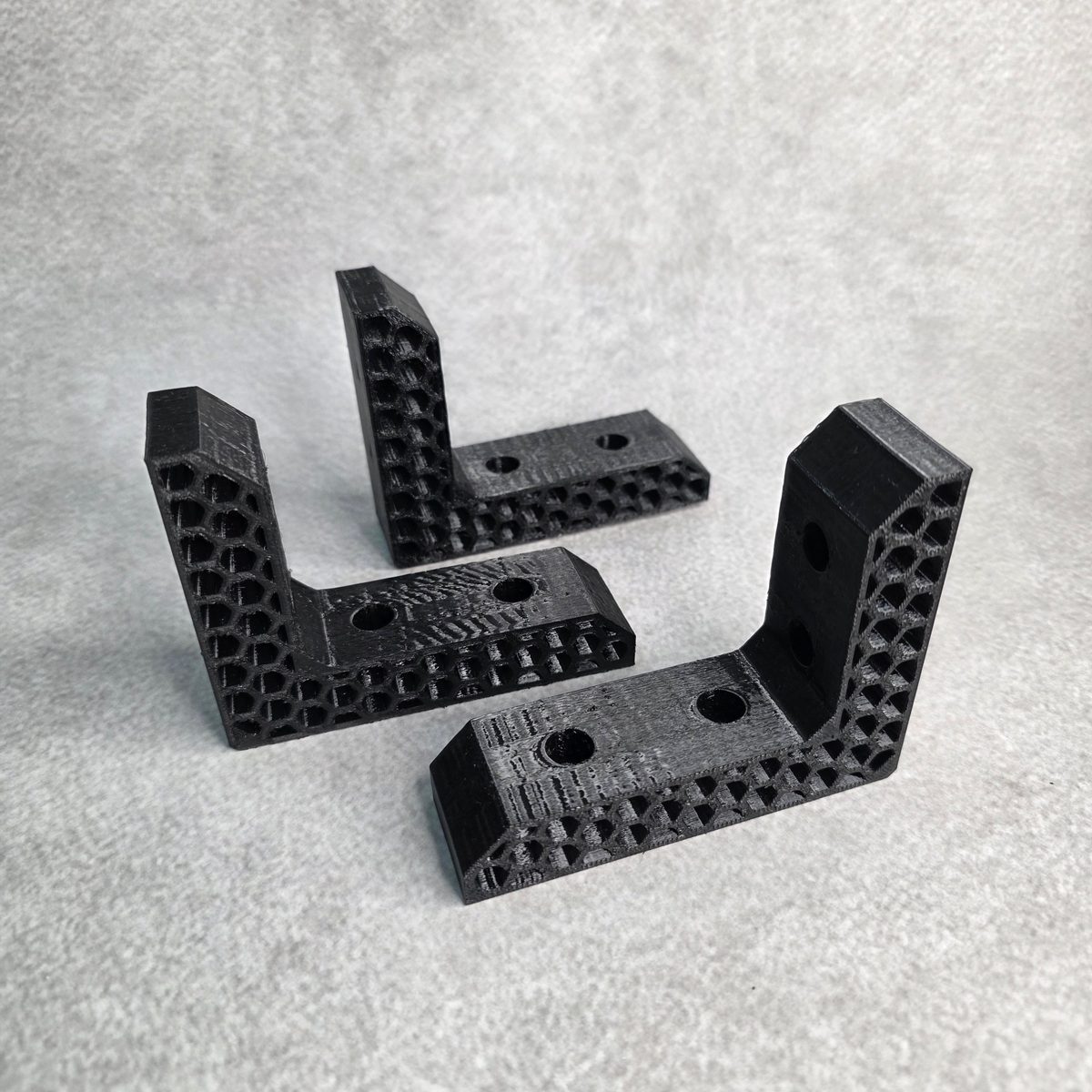
Run that arithmetic on a real bracket and it stops being abstract. A honeycomb L bracket with 80 mm and 100 mm arms gives you two options depending on which way round you fit it:
- 100 mm arm under the shelf: suits a shelf up to about 150 mm deep on the two thirds rule, or about 125 mm if you want the stricter four fifths.
- 80 mm arm under the shelf: suits roughly 120 mm depth, or 100 mm on the stricter rule.
Being able to turn the bracket around is genuinely useful here, because it lets you put the longer arm wherever the space allows, whether that is a taller wall fixing or a deeper shelf support.
How many brackets, and where
- Minimum two, one near each end. There is no shelf short enough to justify one.
- One roughly every 24 to 36 inches along the length, so a four foot shelf takes three.
- Keep end overhang short. A common engineering rule of thumb puts the overhang at each end at around 20 percent of total shelf length, and Engineer Fix covers the reasoning for that distribution. Other guidance simply caps overhang at under 9 inches.
- Closer together for thin or soft boards. The bracket spacing has to suit the shelf material, not just the load, because the board itself sags between supports.
- When unsure, add one. An extra bracket is cheap compared with a collapsed shelf.
Countersinks are not a cosmetic detail
The honeycomb bracket has two countersunk holes per arm, four fixing points in total, and the screw heads sit flush in the countersinks.
Flush heads matter structurally as well as visually. A proud screw head under a shelf means the shelf rests on the screw head rather than on the bracket arm, so the load goes through a few small points instead of the full bearing surface. It also means the shelf rocks. Under a table top or behind a panel, a protruding head stops the surfaces sitting together at all.
Four fixing points rather than two also stops the bracket rotating under load, which is what turns a slightly loose bracket into a sagging shelf over time.
Job two: joining two sections at a right angle
This is a different problem. Nothing is being held up. Two lengths of aluminium channel need to meet at 90 degrees and stay there.
The obvious approach, screwing through the wall of one channel into the end of the other, is weak. A channel wall is thin, so the screw has very little material to grip, and all the load concentrates at that one point.
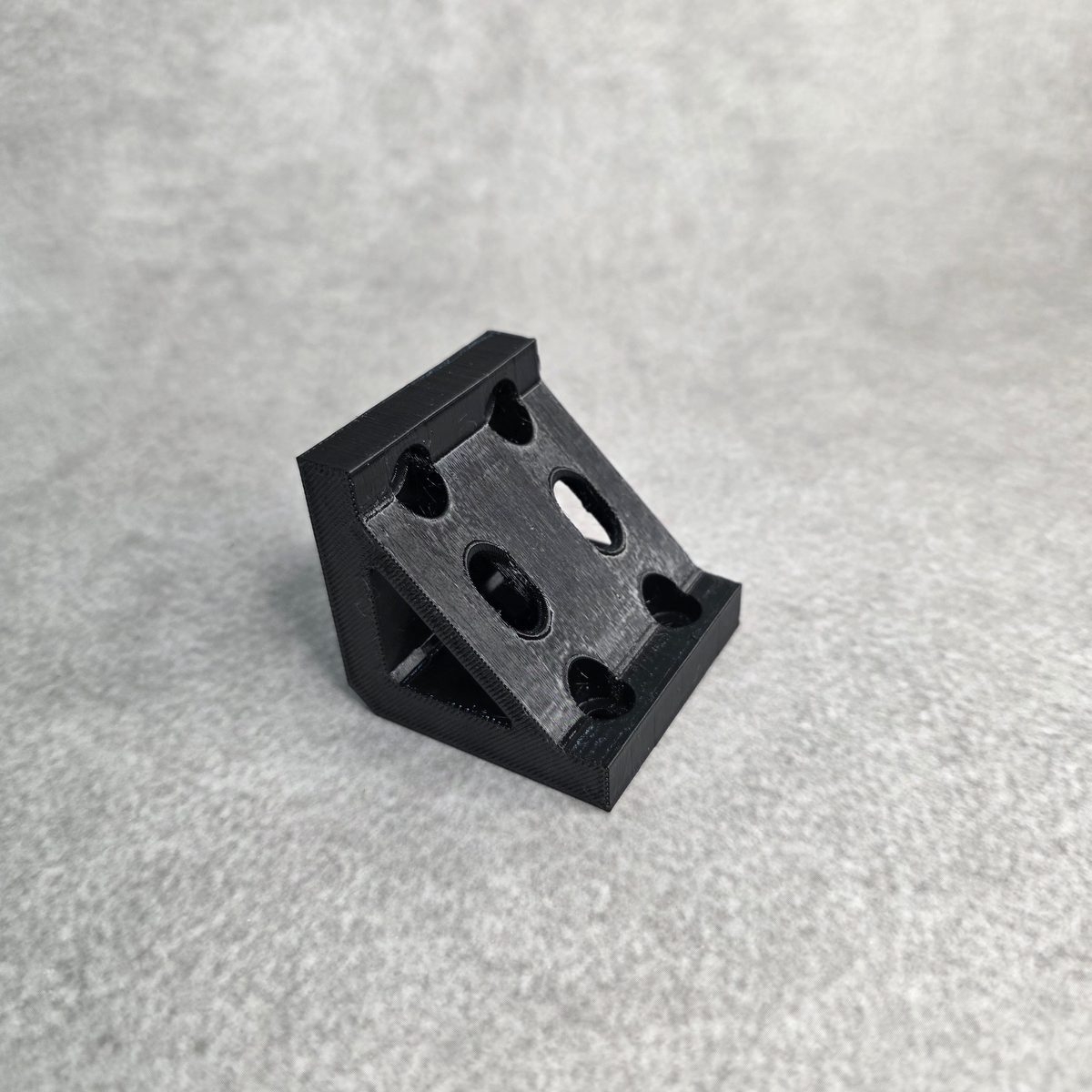
A channel corner bracket solves it by seating into the corner where the sections meet and carrying fixings through both, so the joint is held by the bracket rather than by screws driven into the channel wall alone. A 1 inch channel bracket has a 50 x 50 mm footprint with a 1 inch height, sized to 1 inch channel, and finishes within the depth of the profile so it does not stand proud or obstruct anything mounted against that face.
Why the 1 inch and 2 inch versions are not interchangeable
They share a 50 x 50 mm footprint, so it is tempting to treat height as a fitment detail. It is actually the load detail.
The 2 inch version bears against the face of the section over its full height, which spreads the load down the depth of the joint instead of concentrating it at the edge.
That is the whole argument for the taller bracket. A short bracket in a deep section transfers everything through a narrow band near one edge, and that band is where the section will deform first. Matching bracket height to channel height puts the load across the joint rather than at a line.
So match the bracket to your section size rather than buying whichever is available.
Getting a frame square
A frame that is not square carries load unevenly forever, and it is very hard to correct once fixed.
- Dry fit everything before driving any screws home.
- Check the diagonals. On a rectangular frame, equal diagonals mean it is square. This is faster and more reliable than a set square on a large frame.
- Tighten gradually and in sequence, rather than fully tightening one corner before moving on.
- Cut ends square. A bracket cannot fix an angled cut, it just holds the error rigidly.
Choosing between them
- Holding a shelf, a table top or a panel against another surface: L bracket, sized by the two thirds rule.
- Joining two channels or sections into a frame: channel corner bracket, matched to section height.
- Building a frame that will then carry shelves: both, and they do different jobs at different points.
The brackets, pictured
They divide by what they hold and how they attach.
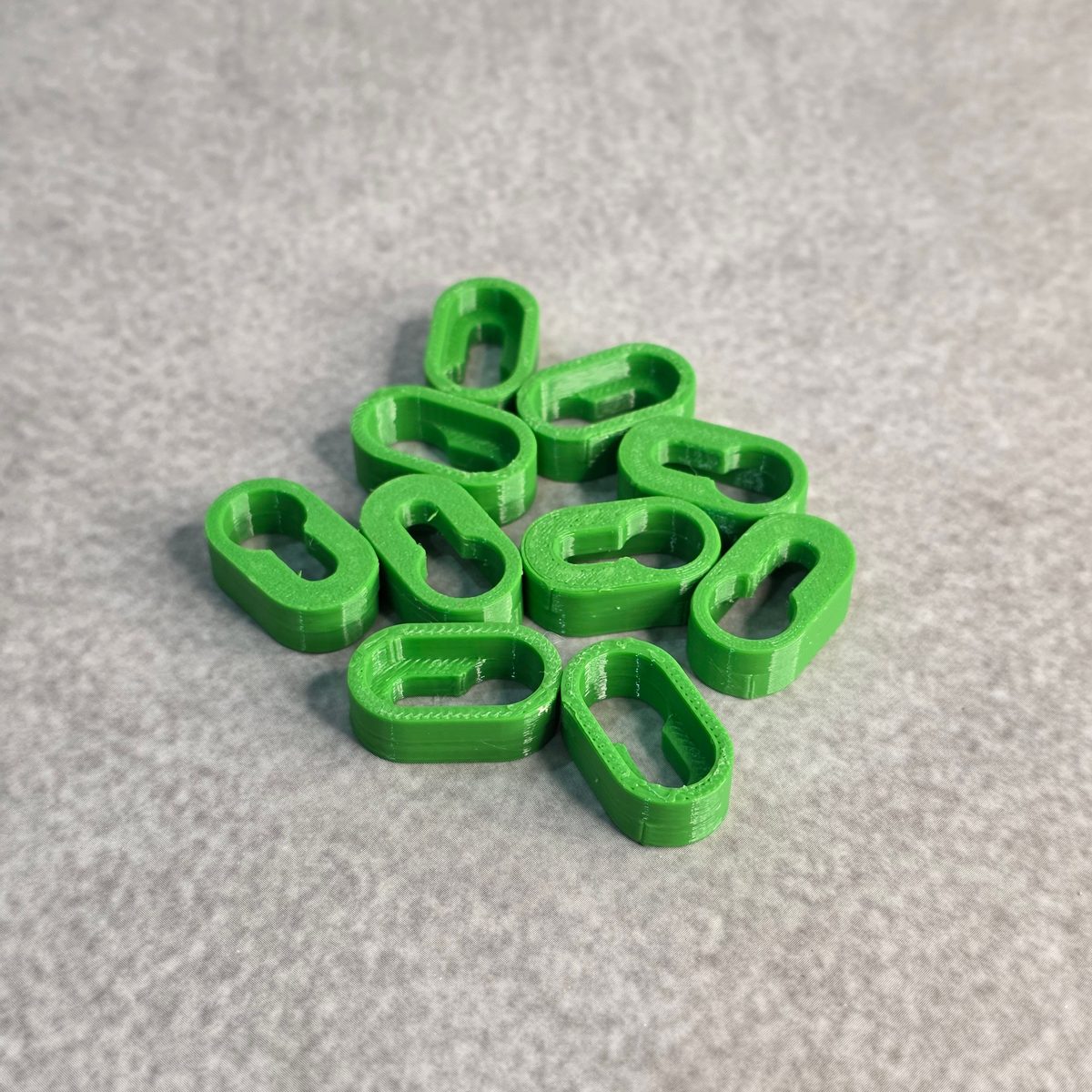
Stick-on mounting bracket. Pack of ten, adhesive, for mounting an object flat to a wall.
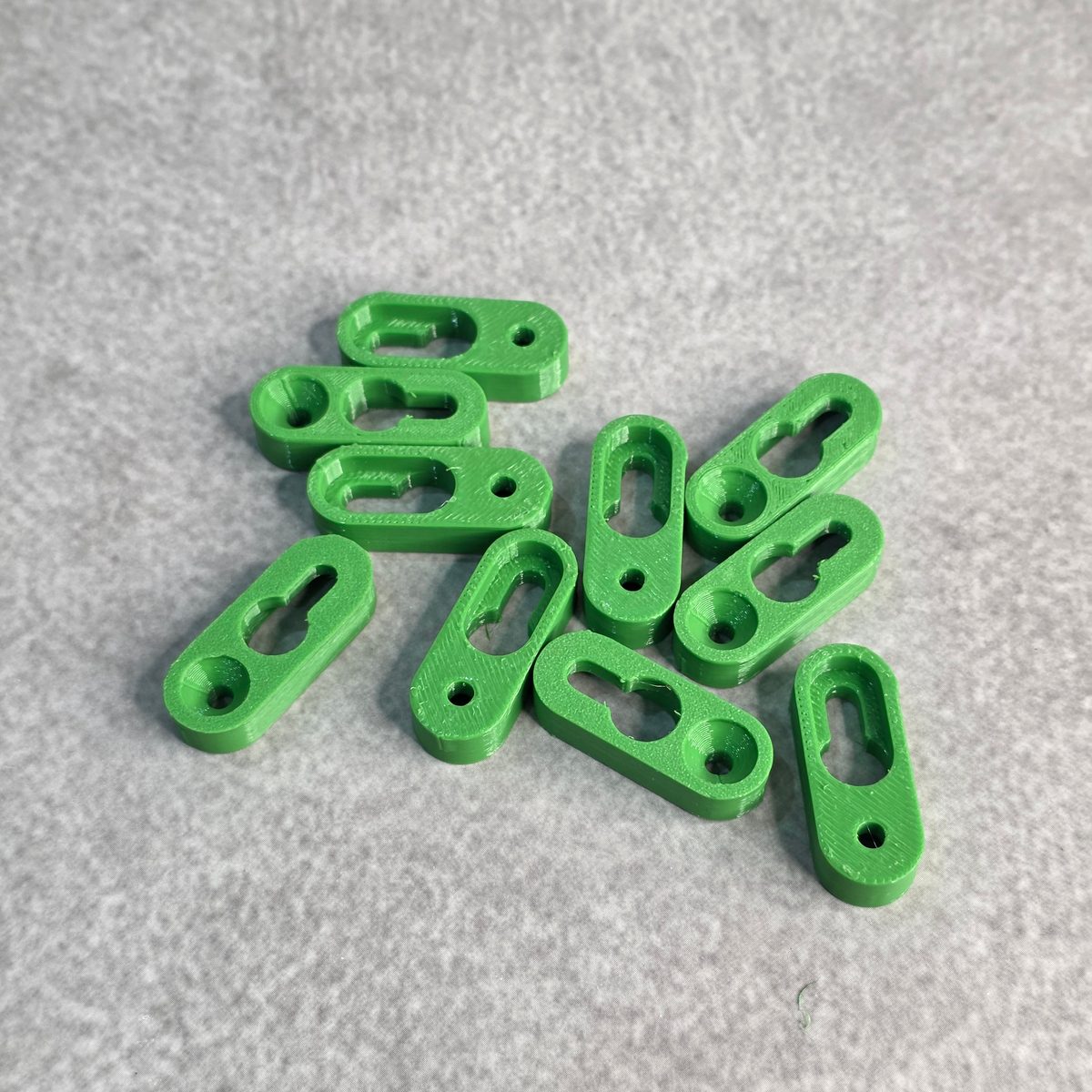
Screw-on mounting bracket. Pack of ten, the version for anything with weight.
Honeycomb L shaped bracket. 80 x 100 mm, supports a shelf, table top or panel from below.
1 inch channel corner bracket. 50 x 50 mm, joins slim sections at right angles.
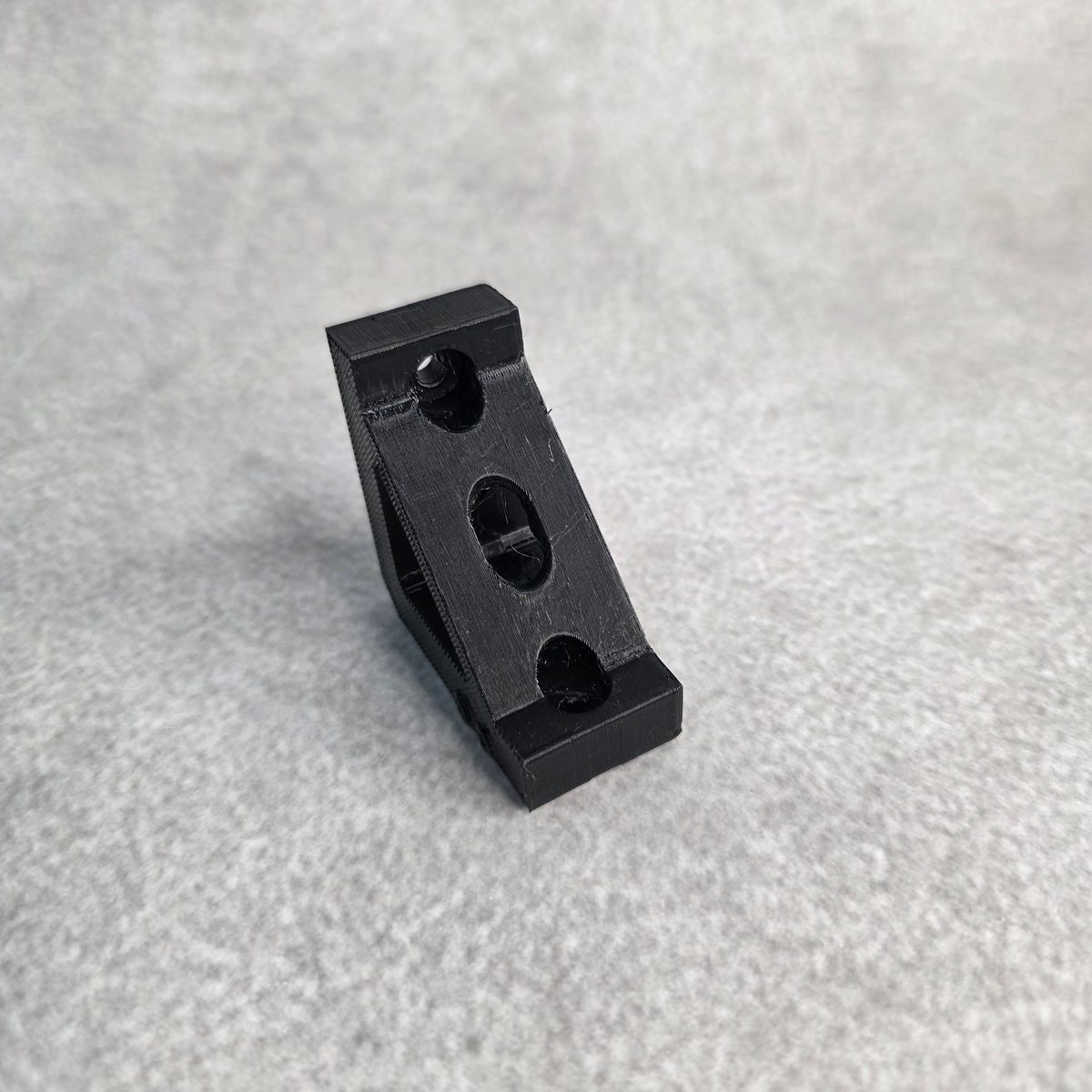
2 inch channel corner bracket. The heavier version, for section frames.
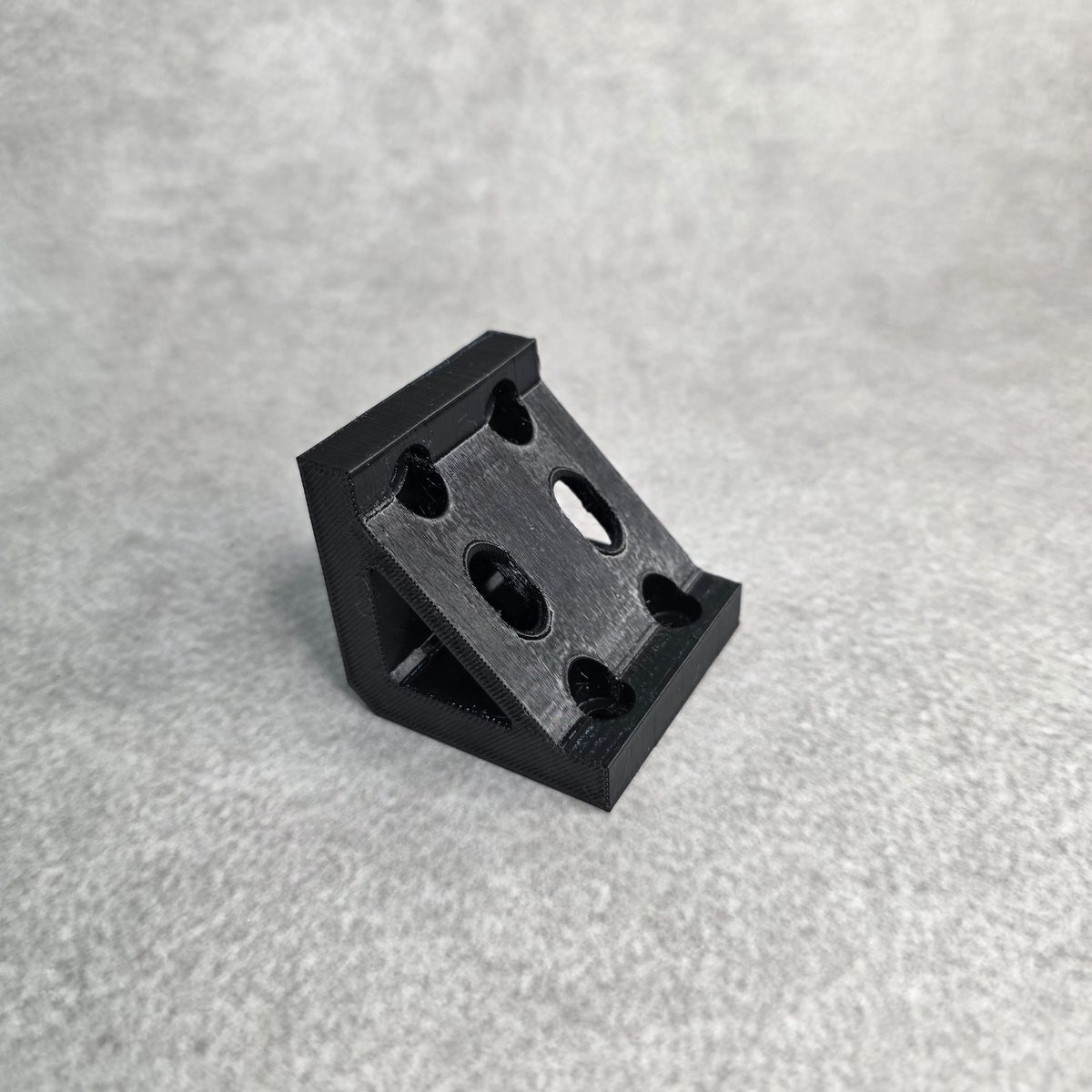
Where the thing wants hanging rather than fixing, the hook range covers it instead: set of four wall hooks, screw wall hooks, kitchen tile hooks, heavy duty U hook, under table hooks, side mounted hooks, twin arm hook.
If you need a bracket at an angle other than 90 degrees, sized to a section nothing standard matches, or with a fixing pattern that clears something already in place, that is worth having made to the measurement through our 3D printing service page. The related hardware sits under hooks and hangers and DIY accessories.
The short answer
For shelves, the supporting arm should reach at least two thirds of the way across the shelf depth, and you want a bracket roughly every 24 to 36 inches with short end overhangs. An 80 mm arm handles about 120 mm of depth, a 100 mm arm about 150 mm.
For frames, match the bracket height to the channel height, because a bracket that bears over the full depth of the joint spreads the load instead of concentrating it at one edge. And check the diagonals before you tighten anything.